Sustainability
Small is the whole point.
One guide, one vehicle, about a hundred and eighty touring days a year. That is a deliberate ceiling, not a stage the business is passing through, and it is most of what I can honestly claim on this subject.
What follows is specific rather than aspirational. I have left out the things I cannot measure.
The vehicle
The car is a Hyundai Santa Fe Hybrid on New Zealand specification. It seats seven and I take no more than four guests, so nobody sits in a middle seat, everybody has a window, and the luggage rides inside rather than on a rack.
For a group whose average age is nearer sixty than thirty, what matters is a high seat you step up into rather than fold down into, a quiet cabin, and room to spread out on a long day. The Santa Fe was chosen for those before anything else.
On the environmental side I would rather give you numbers than adjectives. The hybrid drivetrain uses around six litres of petrol per hundred kilometres and is rated at 142 grams of CO2 per kilometre, appreciably less than the diesel van it replaces. It is a hybrid, not an electric car, so it still burns petrol. The larger truth is the one it always was: one vehicle carrying a small group is a great deal less driving than the same group in two or three hire cars finding their own way.
- Vehicle
- Hyundai Santa Fe Hybrid, New Zealand specification
- Powertrain
- 1.6 litre turbocharged petrol with an electric motor
- Fuel use
- About 6.2 litres per 100km, combined
- Emissions
- 142 grams of CO2 per kilometre
- Safety
- Five star ANCAP
- Seats
- Seven, and never more than four guests, so no one sits in a middle seat
- Certification
- Passenger service vehicle, current Certificate of Fitness
To confirm. Registration, exact build date and the current CoF expiry are placeholders until Dale supplies them. The fuel and emissions figures are the published New Zealand Santa Fe Hybrid specification and should be checked against the actual vehicle.
The Tiaki Promise
Tiaki means to care for people and place. The Tiaki Promise is a commitment New Zealanders ask visitors to make while they are here, put together by Tourism New Zealand, Air New Zealand, the Department of Conservation, Tourism Industry Aotearoa, Local Government New Zealand, New Zealand Maori Tourism and Tourism Holdings.
It is a promise visitors make rather than a badge an operator is awarded, and I would rather say what I actually ask of you than claim a certificate I do not hold.
01
Care for land, sea and nature
Treading lightly and leaving no trace.
02
Travel safely
Showing care and consideration for all.
03
Respect culture
Travelling with an open heart and mind.
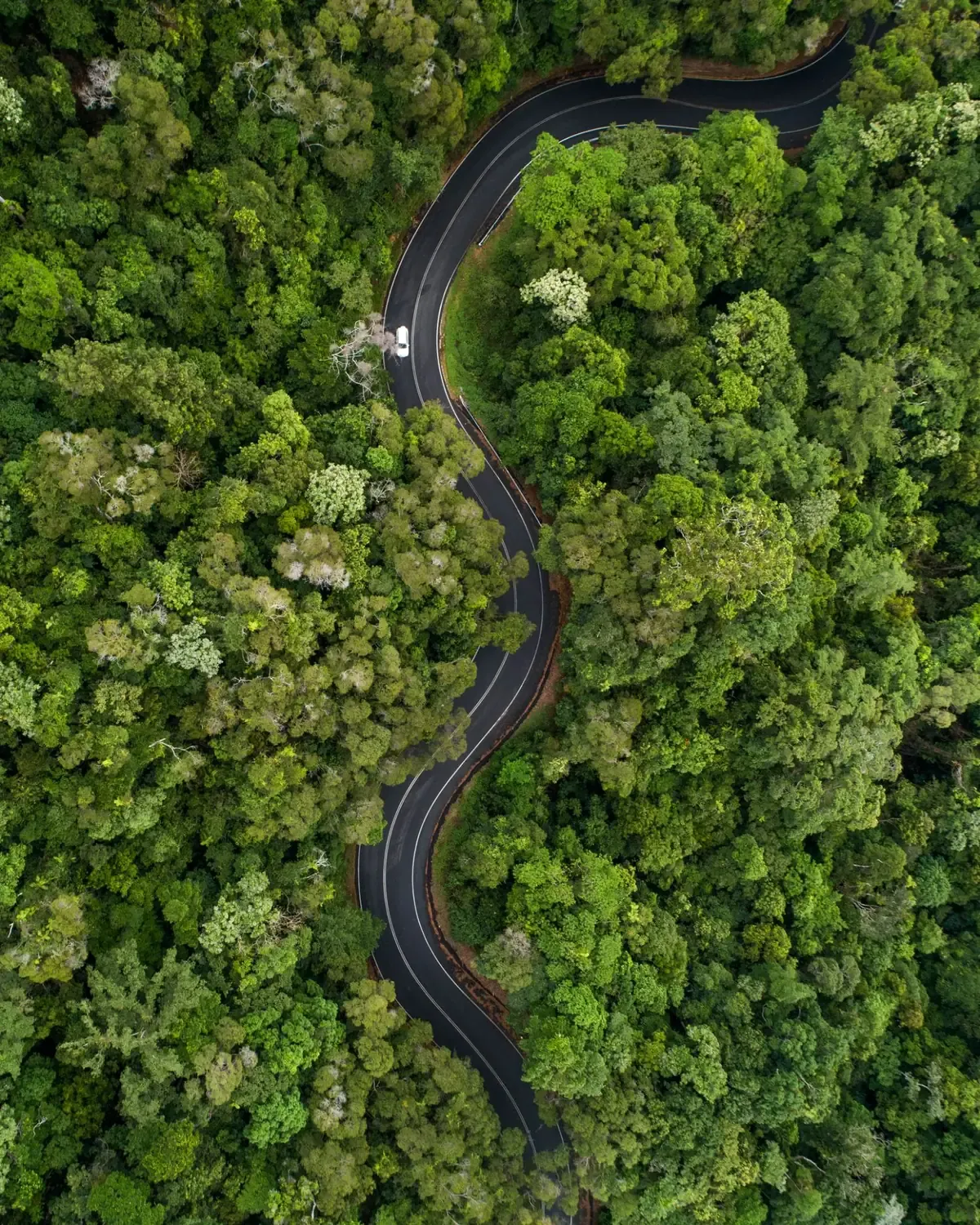
In practice, on my tours, that mostly means small things. We stay on the track even when the photograph would be better two metres off it. We do not touch or feed anything. Shoes get scrubbed before we walk into kauri forest, every time, because kauri dieback is spread by soil on footwear and there is no cure for it.
To confirm. Dale is still deciding what he wants to commit to here beyond the three principles. This section will grow once he has.
Two percent to Forest & Bird
Not two percent of profit, and not two percent of something vague. Two percent of annual gross revenue, and I publish the dollar figure every year.
Forest & Bird is New Zealand's oldest and largest independent conservation organisation. It works on the places this business drives through: predator control in the kauri forests, seabird protection on the coast, and the legal work that keeps public conservation land public.
I have picked a percentage of revenue rather than of profit deliberately. Profit is a number I control. Revenue is not, so the contribution rises and falls with how much touring I actually do, and it cannot quietly become nothing in a bad year.
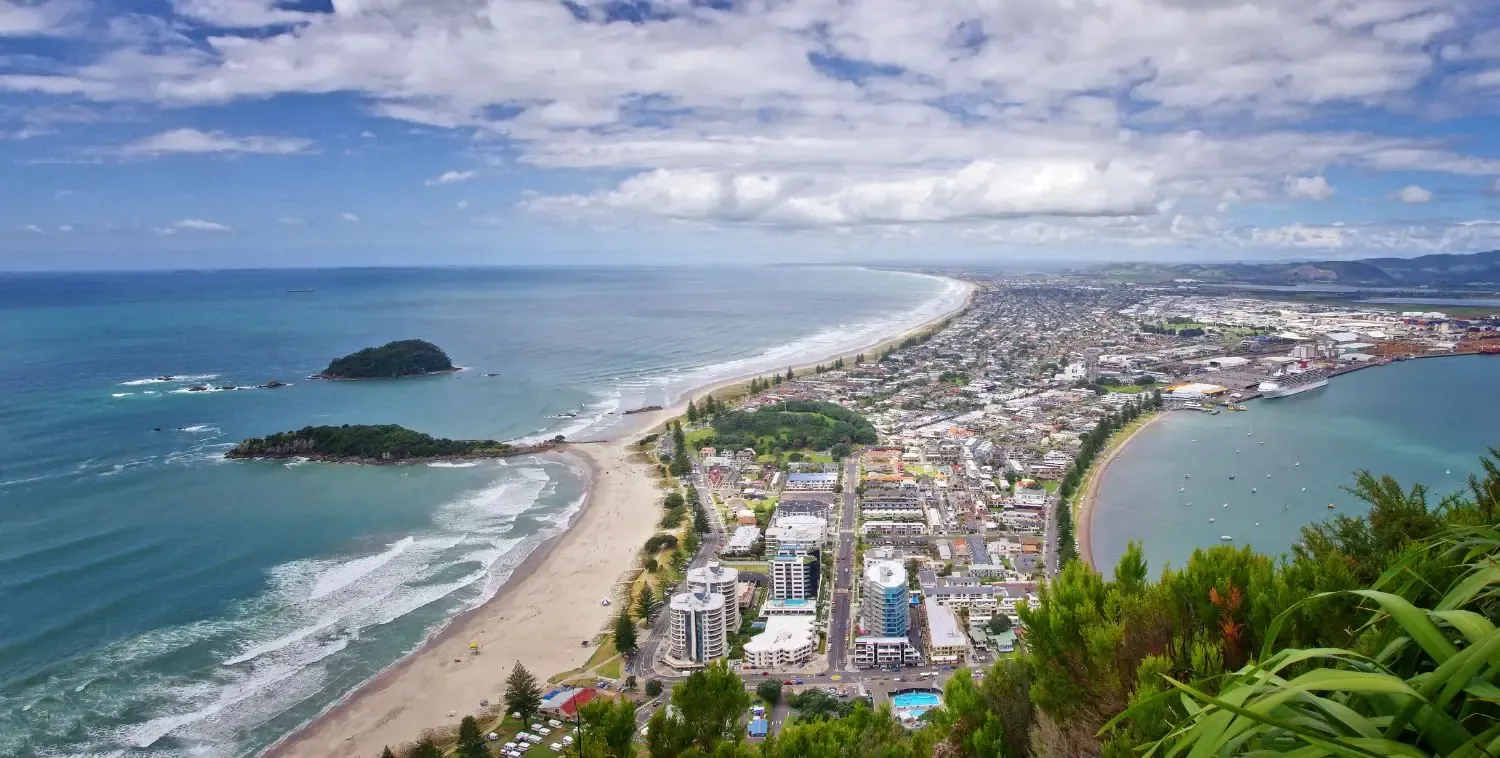
Several of the places on the fixed tours exist in the state they do because of long-running volunteer conservation work. Tawharanui Open Sanctuary, ninety minutes north of Auckland and directly on the road to the Bay of Islands, and Tiritiri Matangi in the gulf, are both on days I run. You can walk into either and see what fenced, trapped and replanted land looks like next to land that is not.
Forest & Bird, forestandbird.org.nz
To confirm before launch. The two percent figure and the wording above need Dale's written sign-off. A donation is a statement about our own conduct and is fine to make; it does not make the business a partner of Forest & Bird, and none of their branding or logo may be used without written permission.